
Heavy Duty Door Problems? Start With These 3 Essential Checks
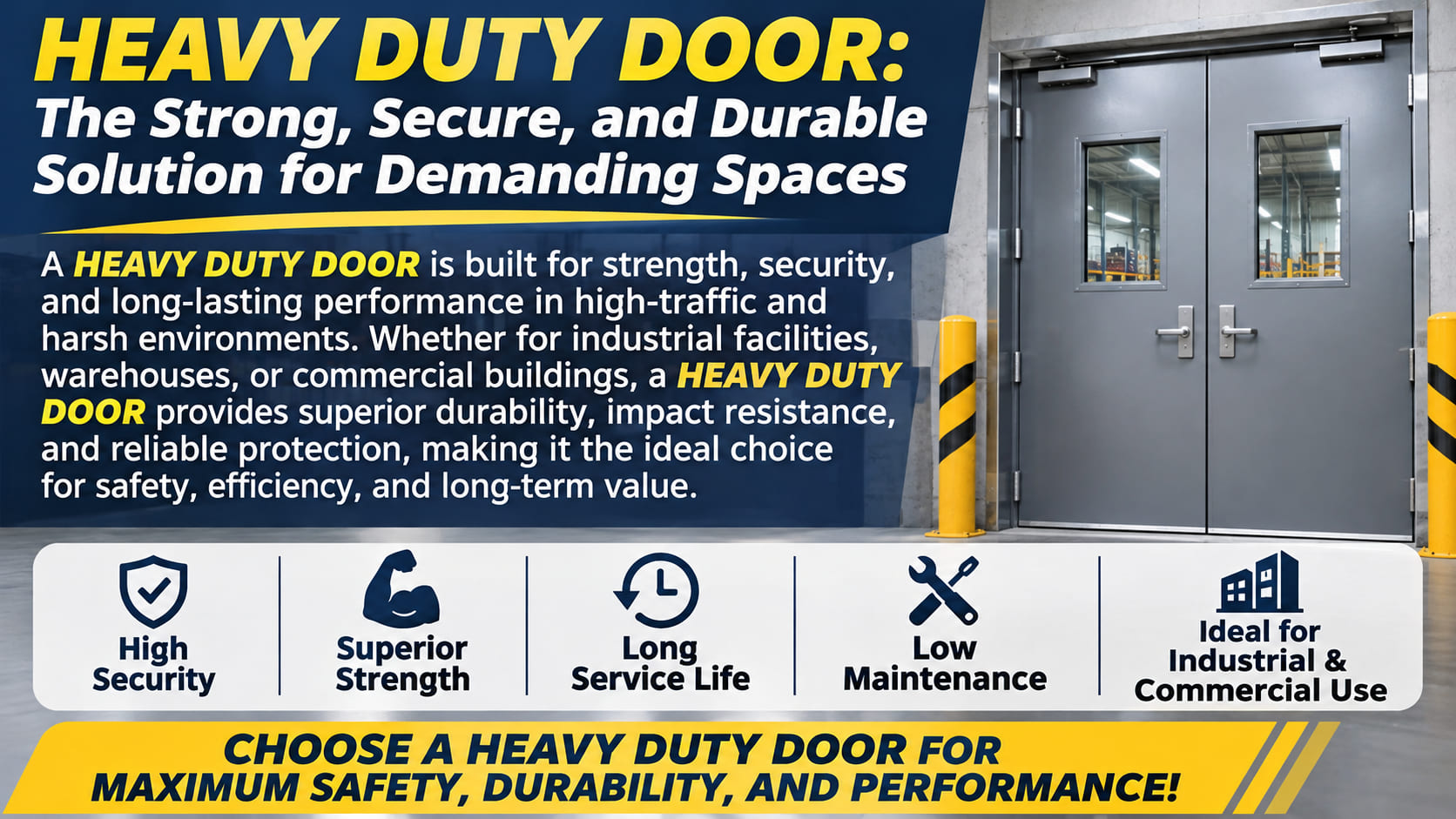
A heavy duty door is designed to withstand demanding environments, frequent operation, and higher levels of physical stress than a typical residential door. These doors are commonly installed in warehouses, manufacturing facilities, commercial buildings, loading areas, industrial workshops, and high-security locations. However, even a well-constructed heavy duty door can develop operational problems after years of use. Difficulty opening or closing, unusual grinding noises, damaged hinges, worn hardware, and locking issues are among the most common complaints. When these problems occur, identifying the underlying cause is essential before attempting repairs or replacing components.
Not every heavy duty door problem requires complete replacement. Some issues result from dirt buildup, insufficient maintenance, loose accessible hardware, or minor environmental changes. Others may involve structural damage, overloaded hinges, damaged tracks, failed springs, or malfunctioning automatic operators. Understanding the difference can help property owners, facility managers, and maintenance teams make safer and more cost-effective decisions.
Start with these 3 checks:
- Inspect the visible door components: Look for obvious damage to hinges, handles, locks, frames, tracks, rollers, and other accessible hardware. Do not touch exposed moving mechanisms or force damaged components.
- Identify the exact operating problem: Determine whether the heavy duty door is difficult to open, fails to close completely, produces unusual noises, or cannot lock securely. Avoid repeated operation if the door appears unstable.
- Check the surrounding environment: Look for floor obstructions, debris, corrosion, moisture damage, impact marks, or objects interfering with the door's intended movement.
These preliminary checks help distinguish basic maintenance concerns from potentially serious mechanical failures. If the door is visibly leaning, detached from its supports, dropping unexpectedly, or operating with damaged springs or cables, stop using it and arrange professional inspection. Heavy industrial doors can weigh hundreds of kilograms, and uncontrolled movement can cause serious injuries or property damage.
Common Heavy Duty Door Problems: Causes, Warning Signs, and Recommended Solutions
Heavy duty doors are available in several configurations, including industrial steel hinged doors, sliding doors, commercial rolling doors, and reinforced security doors. Their operating systems differ, but many common failures involve alignment, mechanical wear, corrosion, or repeated exposure to demanding conditions. The following table provides a practical overview of the most common heavy duty door problems and the appropriate next steps.
| Cause | How to Identify It | Recommended Action |
|---|---|---|
| Worn or damaged hinges | Door sagging, squeaking, uneven gaps, or difficulty swinging | Arrange hinge inspection and professional replacement if needed |
| Misaligned door frame | Door rubs against the frame or does not close evenly | Check for visible distortion and request alignment assessment |
| Faulty locking mechanism | Lock sticks, latch fails to engage, or key turns with difficulty | Have the locking hardware evaluated and repaired or replaced |
| Damaged tracks or rollers | Sliding or rolling door jerks, binds, or makes grinding sounds | Inspect visible track obstructions and arrange mechanical service |
| Corrosion and moisture damage | Rust patches, deteriorating metal surfaces, or seized hardware | Assess corrosion severity and repair damaged materials |
| Failed automatic door operator | Motorized door fails to respond, stops unexpectedly, or reverses | Contact a qualified automatic door technician |
| Damaged seals or weatherstripping | Water infiltration, visible gaps, dust entering, or drafts | Inspect and replace compatible sealing materials |
| Structural or impact damage | Bent panels, cracked supports, loose anchors, or visible deformation | Stop operation and request a professional safety assessment |
The correct repair depends on both the door type and the severity of the problem. For example, a heavy duty steel hinged door with deteriorated hinges requires a different repair approach from an industrial rolling door with a damaged counterbalance spring. Replacing the wrong component may fail to solve the issue and could introduce additional safety risks. Accurate diagnosis should always come before major repairs.
Step-by-Step Heavy Duty Door Troubleshooting Guide
When troubleshooting a heavy duty door, begin with simple visual checks before considering more complex mechanical issues. This structured approach helps facility managers and building owners communicate problems accurately without attempting hazardous repairs. The following eight steps can help identify the likely cause and determine whether professional service is required.
Step 1: Identify the Heavy Duty Door Type and Operating System
Before inspecting the door, determine whether it is a hinged steel door, industrial sliding door, commercial rolling shutter, or automated heavy duty door. Each design uses different mechanical components and maintenance procedures. Hinged doors typically rely on reinforced hinges, frames, and locks, while rolling and sliding doors may involve tracks, rollers, springs, guides, motors, or suspension hardware. Identifying the specific configuration makes it easier to recognize relevant symptoms and locate manufacturer instructions. If a door is power-operated, follow its documented safety and isolation procedures before any authorized maintenance.
Step 2: Check for Visible Obstructions or Environmental Interference
Debris, packaging materials, pallets, floor unevenness, and accumulated dust can interfere with normal door operation. In warehouses and industrial environments, forklifts and material-handling equipment may accidentally move objects into the door's operating path. Inspect the surrounding area from a safe position and identify anything blocking the doorway. Do not reach into moving tracks, guides, or machinery. If the problem appears to involve an obstruction within a hazardous mechanism, ask trained maintenance personnel to address it.
Step 3: Inspect Hinges, Frames, and Structural Alignment
A heavy duty door that appears to lean, scrape, or close unevenly may have worn hinges, damaged mounting points, or frame alignment problems. Look for inconsistent gaps around the door, visible rust near hinges, cracked welds, or loose-looking structural supports. These warning signs can indicate more than ordinary cosmetic wear. Because heavy doors place substantial loads on their supporting hardware, attempting to lift, reposition, or adjust a sagging door without proper equipment can be dangerous. A qualified technician should evaluate significant alignment defects.
Step 4: Evaluate Locks, Handles, and Latching Performance
A heavy duty security door must close and latch correctly to provide its intended level of protection. If the lock becomes difficult to operate, the problem may involve worn internal parts, a damaged strike plate, frame misalignment, or contamination within the mechanism. Avoid forcing the key or handle, as excessive pressure can damage the locking assembly. Check whether the door appears properly seated in the frame and whether the latch aligns with its receiving point. If the locking system remains unreliable, professional inspection is recommended, especially for security-sensitive entrances.
Step 5: Look for Rust, Corrosion, and Material Deterioration
Industrial and commercial doors are often exposed to humidity, dust, chemicals, temperature changes, and outdoor weather conditions. Over time, corrosion may affect steel panels, hardware, mounting points, and moving components. Minor surface discoloration does not always indicate a serious problem, but deep rust, flaking metal, damaged welds, or visibly weakened supports require professional attention. Regular surface cleaning and suitable protective finishes can help reduce deterioration, but severely corroded structural components may need replacement rather than cosmetic treatment.
Step 6: Observe Tracks, Rollers, and Door Movement
For sliding and rolling heavy duty doors, abnormal movement can indicate track damage, roller wear, guide misalignment, or failure of a supporting mechanism. Common symptoms include grinding noises, jerking movement, uneven travel, and doors stopping before reaching their intended position. Observe the equipment only during normal authorized operation and from a safe distance. Do not manually manipulate springs, cables, counterweights, loaded rollers, or suspended panels. These components may store substantial energy and require specialized tools and training.
Step 7: Check Automatic Controls and Safety-System Warning Signs
If the heavy duty door is automated, problems may originate from its motor, controller, sensors, wiring, or safety devices. Warning lights, unusual beeping, unexpected reversing, inconsistent response, or repeated stopping can indicate a fault. Record any displayed error code and consult the manufacturer's operating instructions. Never bypass photoelectric sensors, emergency stops, interlocks, or other protective devices to make the door operate. If a safety device is damaged or the automatic door moves unpredictably, remove it from service and contact an appropriately qualified technician.
Step 8: Document the Problem and Decide on Repair or Replacement
Once the visible symptoms have been identified, document the door model, approximate age, operating frequency, unusual noises, damaged areas, and previous repair history. Photographs taken from a safe location can help a technician assess the situation before arriving. Minor wear may justify targeted maintenance, while extensive corrosion, structural deformation, repeated breakdowns, or unavailable replacement parts may make a new heavy duty door more practical. The decision should consider safety, expected service life, downtime, and total repair costs rather than initial price alone.
How Does Professional Heavy Duty Door Repair Work? From Inspection to Completion
Professional heavy duty door repair generally involves more than replacing a damaged hinge or adjusting a lock. Industrial and commercial door systems must support substantial loads and operate safely under frequent use. A qualified service provider will typically evaluate the entire assembly, identify the actual failure, and recommend repair or replacement based on the condition of the equipment.
- Initial consultation: The customer describes the heavy duty door type, installation location, operating problem, and urgency of the repair.
- On-site safety assessment: The technician identifies potential hazards, checks access conditions, and establishes appropriate work controls.
- Mechanical inspection: Hinges, frames, panels, tracks, rollers, locks, and other relevant components are assessed for damage or abnormal wear.
- Repair recommendations: The technician explains the likely cause, available solutions, required parts, and estimated service costs.
- Component repair or replacement: Damaged parts are serviced using appropriate equipment, compatible materials, and manufacturer procedures.
- Operational and safety testing: The repaired door is checked for correct movement, secure closing, and proper performance of applicable safety devices.
- Maintenance guidance: The service provider explains future inspection needs and provides recommendations to reduce recurring problems.
Heavy duty door repair costs can vary considerably depending on the door's dimensions, weight, material, hardware, accessibility, and damage severity. An ordinary hinge replacement is generally a different scope of work from structural frame repair or an automatic operator replacement. Requesting a clear written quotation helps establish what is included, whether additional parts are necessary, and whether future adjustments or service visits may be required.
When Should You Call a Professional Heavy Duty Door Technician? Important Warning Signs
While basic visual checks can help identify minor concerns, certain heavy duty door problems should never be treated as routine maintenance. These doors may contain highly loaded components, electrical equipment, and structural supports that can become hazardous when damaged. Professional assistance is particularly important when operation becomes unpredictable or the door's ability to remain safely supported is uncertain.
- The heavy duty door is visibly sagging, leaning, or separating from its frame.
- Hinges, support brackets, anchors, or structural connections appear cracked or damaged.
- The door drops unexpectedly, moves uncontrollably, or does not remain securely positioned.
- An automatic door produces repeated errors, unexpected reversals, or uncontrolled movement.
- Springs, cables, counterweights, tracks, or rollers show visible damage.
- The locking system fails to secure an important access point.
- Electrical burning odors, exposed wiring, smoke, or unusual motor overheating are present.
- A forklift, vehicle, or other equipment has struck the door or its supporting structure.
- The door repeatedly malfunctions despite previous maintenance or repair.
A damaged heavy duty door should not be forced open or closed. Where safe and permitted, restrict access to the affected area and notify the responsible building or maintenance personnel. If the door is part of a required fire-protection or emergency-exit system, specialized inspection is especially important because its operation may be subject to applicable building and life-safety requirements. Repairs must preserve the door's required safety performance.
Heavy Duty Door Maintenance: 6 Important Tips to Prevent Expensive Repairs
1. Schedule Routine Heavy Duty Door Inspections
Regular inspections help identify developing problems before they cause major interruptions. The appropriate inspection frequency depends on the door type, operating cycles, environmental conditions, manufacturer guidance, and applicable requirements. High-traffic industrial entrances generally experience more mechanical wear than doors used only occasionally. Maintenance teams should record inspections, unusual noises, visible damage, and service recommendations so recurring problems can be identified early.
2. Keep the Door and Surrounding Area Clean
Dust, dirt, packaging debris, and moisture can contribute to mechanical wear or interfere with normal movement. Keep accessible door surfaces and surrounding floor areas clean using methods suitable for the door material. For sliding and rolling systems, visible debris near tracks should be reported or removed only when the equipment has been placed in a safe condition by authorized personnel. Avoid directing high-pressure water toward motors, controllers, electrical components, or sensitive hardware.
3. Use Manufacturer-Approved Lubrication and Replacement Parts
Mechanical components may require specific lubricants to reduce friction and wear. However, applying the wrong product can attract dirt, damage seals, interfere with braking mechanisms, or reduce operating performance. Always follow the manufacturer's maintenance instructions rather than applying grease or oil indiscriminately. Replacement hinges, rollers, locks, and other parts should also be compatible with the door's design, weight, operating conditions, and any required certification.
4. Never Force a Stuck or Misaligned Heavy Duty Door
Forcing a door that is stuck, sagging, or binding may damage the frame, hinges, tracks, locking system, or supporting structure. It can also increase the risk of sudden uncontrolled movement. If a door does not operate normally, stop and identify the issue rather than repeatedly pulling, pushing, or activating the motor. Problems involving loaded mechanisms should be referred to trained personnel with the necessary lifting, securing, and repair equipment.
5. Protect Heavy Duty Doors Against Environmental Damage
Outdoor and industrial doors may encounter rain, humidity, salt exposure, temperature fluctuations, and airborne contaminants. These conditions can accelerate corrosion and deterioration, especially when protective coatings become scratched or damaged. Periodically inspect visible metal surfaces and weather seals for early signs of deterioration. Correcting moisture-related issues and arranging suitable protective treatment can help preserve appearance and serviceability, although damaged structural components may still require professional replacement.
6. Maintain Service Records and Plan Repairs Before Failure
A maintenance record should include inspection dates, observed problems, completed repairs, replacement components, and any recommendations from service technicians. This information helps owners recognize repeated failures and evaluate whether further repairs remain economical. For busy warehouses and manufacturing facilities, planned servicing can also reduce unanticipated disruptions to loading operations, access control, and daily workflows. Preventive maintenance does not guarantee that a heavy duty door will never fail, but it can support more reliable and predictable operation.
Heavy Duty Door Frequently Asked Questions (FAQ)
Q1: What is a heavy duty door?
A heavy duty door is a reinforced door system designed for demanding environments, frequent operation, or increased security and durability requirements. It is commonly used in warehouses, factories, commercial buildings, and industrial facilities.
Q2: Why is my heavy duty door difficult to open or close?
Common causes include worn hinges, frame misalignment, damaged rollers, track obstructions, corrosion, or faulty locking hardware. A professional inspection may be necessary if the door is sagging, binding, or difficult to operate.
Q3: How often should a heavy duty door be inspected?
Inspection frequency depends on door design, daily operating cycles, environmental conditions, manufacturer recommendations, and applicable safety requirements. Frequently used industrial doors may require more regular inspections than low-traffic installations.
Q4: Can a damaged heavy duty door be repaired instead of replaced?
Many heavy duty door problems can be repaired by replacing compatible components or correcting specific mechanical faults. However, extensive corrosion, severe structural damage, repeated failures, or unavailable parts may make replacement the safer or more economical option.
Q5: How much does heavy duty door repair cost?
Heavy duty door repair costs depend on door size, material, weight, damaged components, labor requirements, accessibility, and whether specialized replacement parts are needed. Request a detailed quotation after the door has been professionally assessed.
Q6: Why does my heavy duty door make grinding or squeaking noises?
Grinding or squeaking noises may result from worn hinges, damaged rollers, misaligned tracks, corrosion, or mechanical friction. Stop operating the door if the noise is accompanied by binding, instability, or unexpected movement.
Q7: What is the difference between a standard door and a heavy duty door?
Heavy duty doors typically use reinforced materials, stronger supporting hardware, and designs suited to demanding operating conditions. Standard doors are generally intended for less intensive applications, although actual performance depends on each product's specifications and installation.
Q8: Are heavy duty steel doors suitable for outdoor installation?
Many heavy duty steel doors can be used outdoors when they are specifically designed for exterior conditions. Suitable corrosion protection, weather seals, hardware, and proper installation are important for long-term performance.
Q9: How long does a heavy duty door last?
The lifespan of a heavy duty door depends on construction quality, operating frequency, environmental exposure, installation, and maintenance. Regular inspections and timely component replacement can help extend useful service life, but no fixed lifespan applies to every door.
Q10: When should I stop using a heavy duty door and call a professional?
Stop using the door if it is sagging, moving unpredictably, showing structural damage, failing to lock securely, or operating with damaged springs, cables, or safety devices. Contact a qualified heavy duty door technician for inspection and repair.